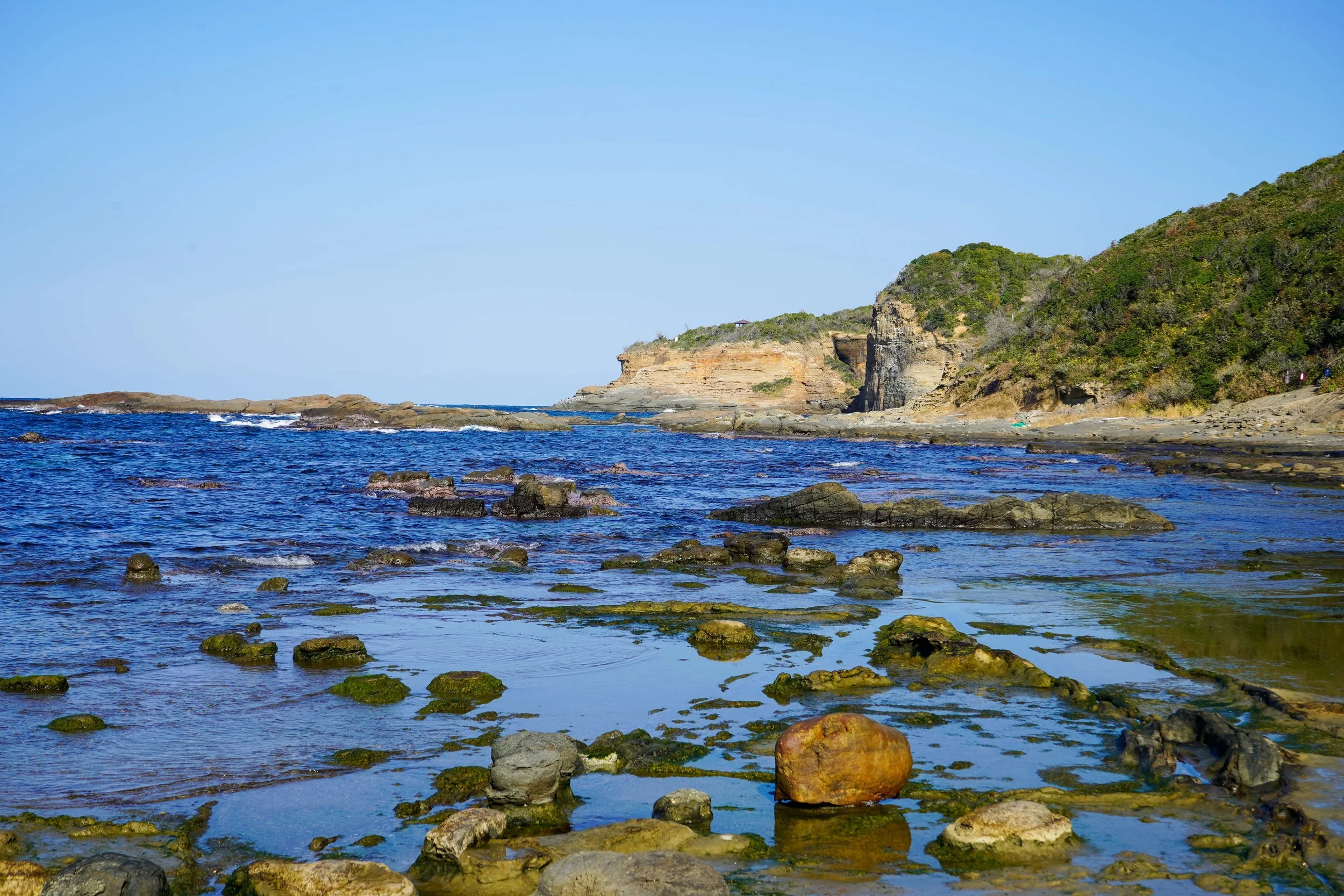

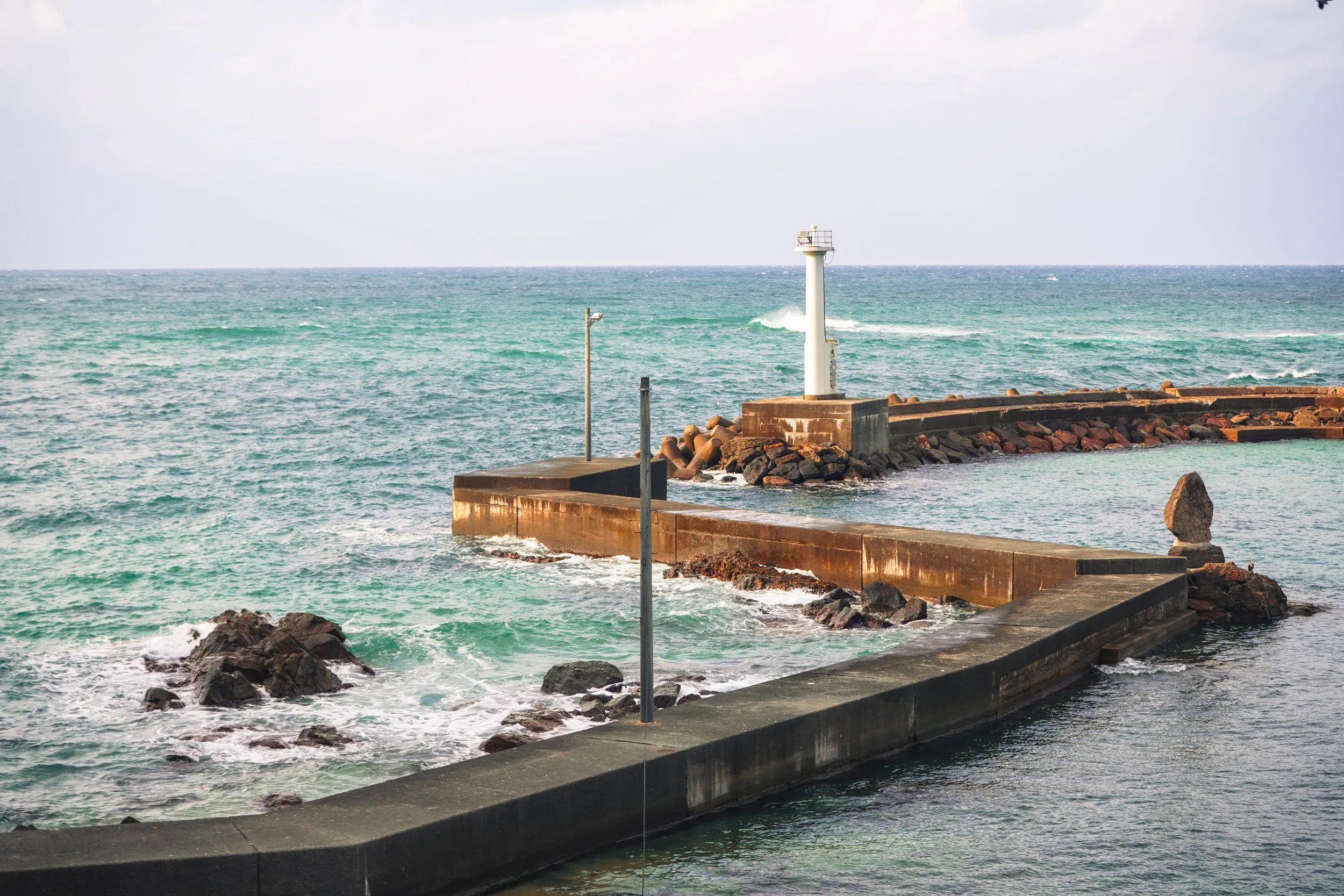
Cover Photo & Photograph: Anne Fehres & Luke Conroy
AKIYA AIR – IWAMI Residency Programme
Set in the Iwami region of Japan, this programme transforms vacant houses (akiya)—a significant social issue in rural areas—into spaces for creative practice and living.
In addition to Yunotsu, participants may also stay in Gotsu and Omori, expanding the residency experience across multiple locations within the Iwami region. Applicants this year are asked to choose either Gotsu or Yunotsu when applying, and to develop their proposal in response to the chosen location.
Each site offers distinct perspectives shaped by untouched natural landscapes, rich history, and deeply rooted craftsmanship. By extending the programme across these areas, participants gain access to a broader and more immersive creative environment.
This regional expansion has been made possible by the strong impact and positive outcomes of the previous two editions of AKIYA AIR. As a result, new communities—including Gotsu and Omori—have expressed a strong interest in hosting artists and contributing to the programme.
Participants will have the opportunity to live in akiya, experience daily life in fishing and rural communities, and explore diverse creative practices while engaging with local culture and contributing to regional revitalisation.
From 2026, the programme will be hosted by the Gotsu Future Education Design Institute, working in collaboration with local partners across the Iwami region.
While the realisation of a large-scale art festival in 2027 remains uncertain, one of the long-term ambitions of this programme is to cultivate opportunities for such a platform to emerge within the region in the future.
We invite you to join this evolving programme and take part in shaping new possibilities for Iwami.
Cultural and Regional Context: The Iwami Region
Origins, Myth, and Landscape
Shimane Prefecture, often described as the land of Japan’s origins and myths, holds a rich cultural narrative rooted in ancient history. Largely untouched by wartime destruction, the region retains pre-war architecture and forest landscapes, offering a rare continuity with the past.
Within this setting, the Iwami region—home to both Yunotsu and Gotsu—presents a layered environment where history, nature, and daily life remain closely intertwined.
Living Traditions and Performing Arts
Iwami is known for its deeply rooted performing arts and craft traditions, closely tied to local materials and community life. Iwami Kagura is particularly distinctive: around 150 kagura groups are active in the region, formed and sustained by local residents.
People of all ages participate, and performances are not only preserved but continuously reinterpreted as part of everyday cultural life. Kagura masks and costumes are crafted locally, using handmade materials such as stone-based washi paper, reflecting a strong connection between craft and performance.
Hot Springs and Historic Townscapes
Yunotsu, located within Oda City, is the only hot spring town in Japan designated as an Important Preservation District for Groups of Traditional Buildings. Its townscape reflects architectural layers from multiple historical periods, offering a rare example of continuity between past and present.
While Yunotsu once flourished as a spa destination, the region today is quieter—shaped by broader demographic shifts affecting rural Japan.
Depopulation and Renewal
The Iwami region is historically associated with the concept of “depopulation,” and has long been recognised as one of the areas most affected by demographic decline.
In recent years, however, shifting societal values—accelerated by the pandemic—have led to new forms of movement and engagement. Entrepreneurs and younger generations have begun relocating to the area, opening new accommodations, restaurants, and small businesses. These changes signal an emerging phase of renewal, where traditional environments are reinterpreted through contemporary practices.
Satoyama: A Philosophy of Living with Nature
The region is also characterised by satoyama landscapes—rural environments situated between mountains, forests, and human habitation.
More than a physical setting, satoyama represents a long-standing philosophy of coexistence with nature, where resources are managed sustainably and cultural practices evolve in close relationship with the environment. This way of life continues to inform both daily activities and creative approaches within the region.

ーAKIYAー
Living and workspace
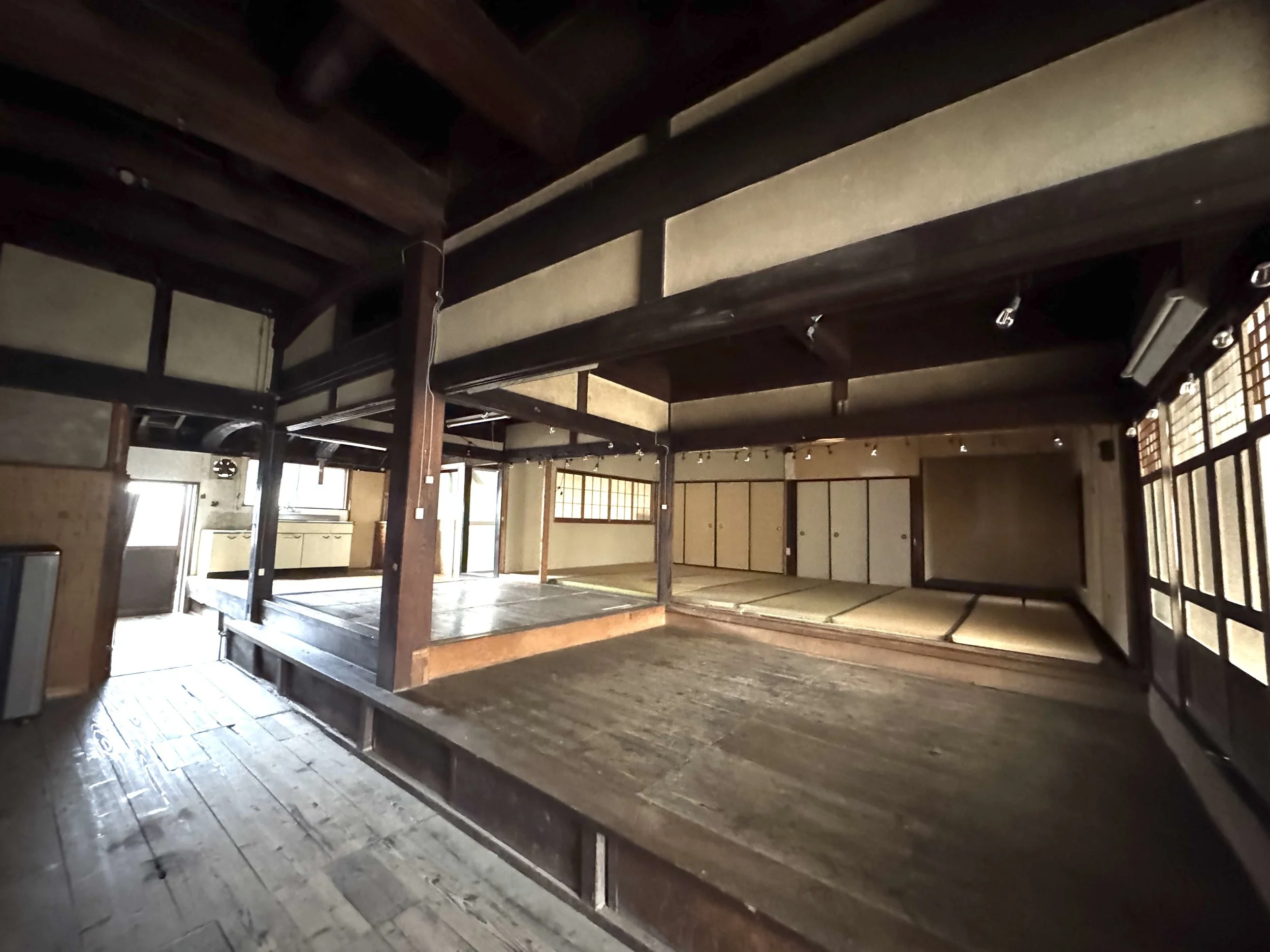
Participants will stay and work in renovated akiya (vacant houses) located in both Yunotsu and Gotsu. Each residence, once an unused home, has been revitalised and now serves as accommodation and creative workspace for the programme.
Participants will be assigned a living and working space within their respective location, allowing them to develop their practice in close connection with the surrounding environment.
In Yunotsu, the house is situated in a nature-rich area, surrounded by mountains, greenery, and a tranquil landscape.
In Gotsu, the house is located in the historic centre of the city’s oldest district, within walking distance of cafés, local shops, and the train station, offering a comfortable and well-connected living environment.
All houses are equipped with essential amenities, including a shared kitchen, bathroom, toilet, and internet access. Living and working spaces feature traditional tatami rooms.
If additional space is required, or if multiple artists are selected, supplementary accommodation or workspace may be arranged in other vacant houses at either location. Participants will be informed in advance should this apply.
Programme Flow
1. Orientation: Introduction to the Local Context
Upon arrival in either Yunotsu or Gotsu, participants will be welcomed by local hosts and community members. A welcome gathering will be organised to introduce the artists to key stakeholders and collaborators in the region.
Participants will then be guided through their living and working environments, including their accommodation (Akiya) and studio spaces. The orientation will also include visits to local studios, cultural sites, and other significant locations, offering insight into the history, culture, and daily life of the area.
2. Community Presentation & Dialogue
Participants will meet with local community members and the artist support team to introduce themselves, share their goals and artistic interests, and discuss expectations for their stay.
This initial exchange establishes a foundation for meaningful dialogue and collaboration throughout the residency.
3. Research & Studio Visits
Participants will engage in independent research in Yunotsu, Gotsu, and the broader Iwami region. This includes studio visits, field research, and exploration of local practices such as traditional craftsmanship, architecture, and regional history.
A visit to Iwami Ginzan, known for its distinctive natural and cultural heritage, will further inform and inspire each artist’s conceptual development.
Optional Stay in Omori
Participants may also choose to spend up to one week in Omori, a historic district in Oda City and part of the UNESCO-listed Iwami Ginzan area.
With its well-preserved townscape and small, close-knit community, Omori offers a unique environment for immersive research and daily life. Participants will have the opportunity to explore cultural sites, engage with local residents, and experience the layered history and contemporary activities of the area.
5. Future Presentations & International Exposure
Opportunities for further presentations: such as at the Embassy of the Kingdom of the Netherlands in Tokyo, as well as exhibition presentations in the Netherlands, are currently under consideration.
Details will be announced once confirmed.
4. Final Presentations & Exhibition in Japan
The programme will culminate in final presentations in both locations: on Friday, 18th December 2026 in Yunotsu, and on Saturday, 19th December 2026 in Gotsu.
In addition, a public exhibition of the residency outcomes is scheduled to take place over three days, in both locations between Friday 18th and Sunday 20th December 2026.
These presentations and the exhibition will provide opportunities to share the results of the residency with local communities, collaborators, and stakeholders, while fostering dialogue between artists and the regional context.