Yunotsu Town
Yunotsu Town is situated in the southwestern part of Oda City (Ōdashi), centrally positioned in Shimane Prefecture along the Sea of Japan. Accessible via the JR Sanin Main Line and National Route 9, the town features a coastline dotted with natural harbours, including the historically prosperous Yunotsu Port. During the Edo period, the port flourished as a shipping hub for the nearby Iwami Ginzan Silver Mine and later served as a port on the San'in sea route, exporting timber, bamboo, and Iwami pottery during the Meiji period.
Today, Yunotsu remains an active fishing port and a shipping centre for locally produced silica sand. The region is predominantly mountainous, with approximately 80% covered in forests. Agriculture and forestry are the primary industries, complemented by coastal fishing activities such as single-line fishing.
Hōjusan Anrakuji Temple in Yunotsu is both the birthplace and monumental site of Asahara Saichi (Myokōjin), a religious poet and philosopher acclaimed by Suzuki Daisetsu. The town’s architectural landscape spans the Edo, Meiji, Taisho, and Showa periods, characterised by distinctive red Iwami ceramic tiles. Yunotsu is the only hot spring town in Japan classified as an Important Preservation District for Groups of Traditional Buildings.
Accommodation and Workspace
Akiya: Living and Workspace
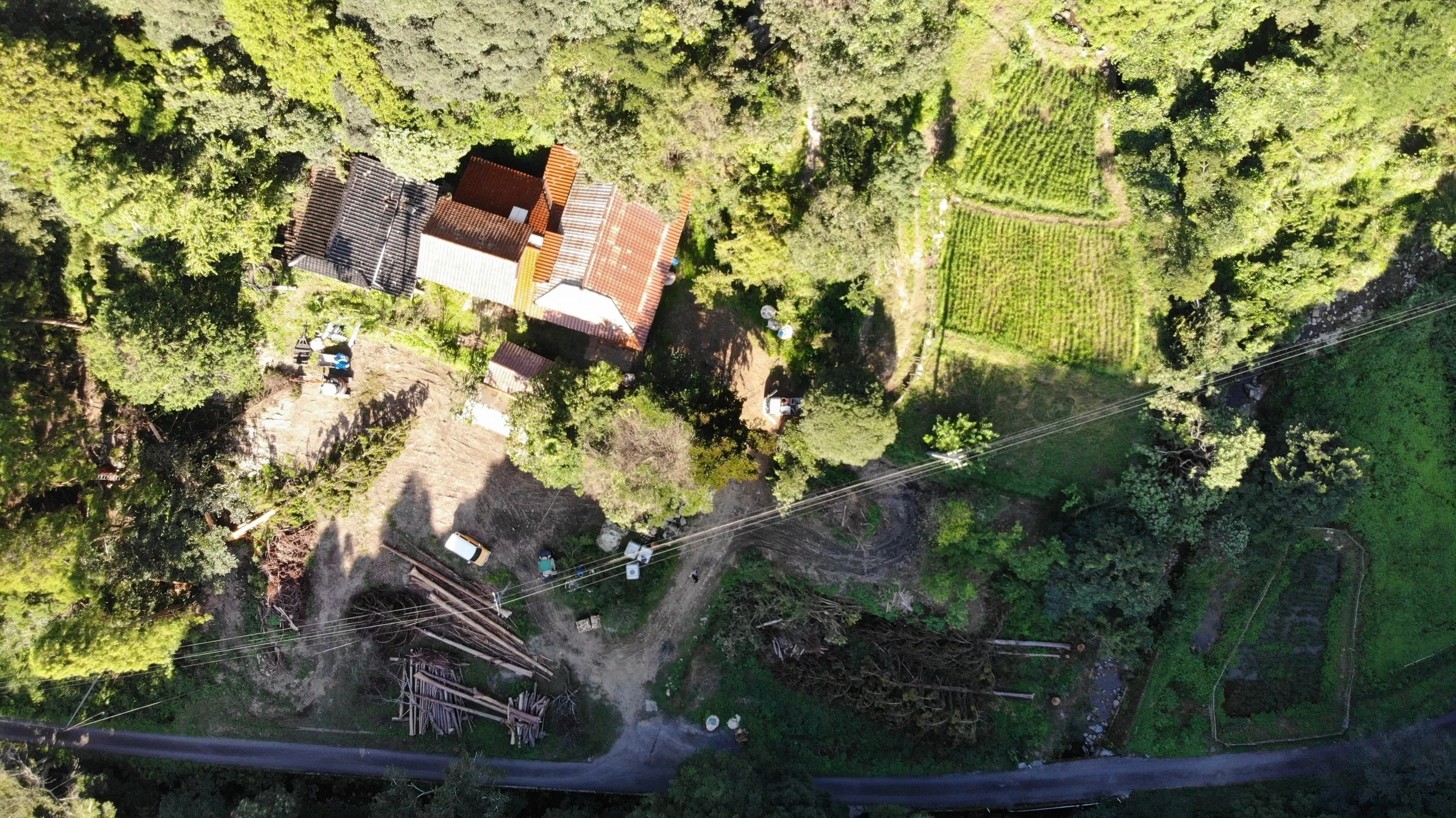
Participants will stay and work in a traditional Japanese-style house owned by Shinya Kobayashi, co-founder of the AKIYA AIR programme. Formerly a vacant akiya, the house has been carefully revitalised and now serves as both accommodation and a creative workspace for the residency.
Located approximately five minutes by car from the centre of Yunotsu, the house is surrounded by mountains, fields, and abundant nature, offering a quiet and immersive environment for focused work and reflection.
The house is equipped with essential amenities, including a shared kitchen, bath, toilet, and internet access. Both living and working areas consist of traditional tatami-mat rooms. Depending on the nature of their project, participants may also have access to Kobayashi’s woodworking studio in the mountains.
If additional space is required, or if multiple participants are selected, supplementary accommodation or workspace may be arranged in nearby vacant houses. Participants will be informed in advance if this applies.

Resources and Facilities
Materials Available
From Satoyama
Rocks, stones, soil, wood, bamboo, straw, iron (steel), and more.
From Akiya
Old household items and discarded materials.
Beach Debris
From large debris, referred to as ‘continental debris’ to smaller items.
Facilities Available at Yunotsu
Heavy Machinery
Excavators, forklifts, crane trucks, transport vehicles, light trucks, chain blocks, etc.
Blacksmith’s Workshop
Equipped with furnace, spring hammer, press, and hardening furnace.
Carpentry Workshop
Equipped with sawing machines, automatic planer, planer, table saw, drying machine, chainsaw, general tools, and blades.
Workplace 1
100 square meters of concrete floor adjacent to the blacksmith forge.
Workplace 2
Several rooms with tatami flooring in an old farmhouse.
Workspace 3
Abandoned farmland and mountain forest covering 170,000 square metres on-site.
Possibilities at MUJUN Workshop Yunotsu
Circular Craft Making in Satoyama
E.g.
Camping
Bonfires and hearth cooking
Mountain maintenance
(wind and water flow management)
Timber processing (felling, transport, sawing, processing)
Bamboo cutting and processing.
Construction of mud walls using soil, straw, and bamboo
Charcoal production
Sustainable Tool Making in Satoyama
E.g.
Collecting sand iron from beaches and rivers
Steelmaking from charcoal burning to steelmaking at the blacksmith’s workshop
Crafting tools and blades at the blacksmith’s workshop
Reprocessing old iron at the blacksmith’s workshop
Restoration of old tools
Relaxing Leisure Activities
E.g.
Hot springs, Kagura (traditional Shinto music and dance), and drinking sake.
Karaoke at Kirakuya or Tokitsufu
Zazen and shojin ryori (Buddhist vegetarian cuisine) at a temple
Fasting and relaxation massages
Surfing in the Sea of Japan
Hiking on Mount Sanbe, followed by hot springs and Jingisukan (grilled lamb dish).
Fishing and snorkelling along sandy beaches
Various cafes and restaurants.
Watching the sunset on secluded beaches
Optional
Upon request and consultation with the local coordinator, residents can access the following services:
Cultural Exchange Support
GotsExplore Yunotsu's rich food, nature, culture, and history, including its renowned ceramic tradition. With this support, participants will have the chance to engage in local activities, such as flower arranging and martial arts classes.
Additional Support
Tailored experiences such as:
Traditional Carpentry Culture (Daiku Bunka): Including architectural woodworking, traditional joinery, and shrine/temple construction techniques.
Plasterwork (Sakan): Focusing especially on historical kote-e (relief plaster art), with opportunities to investigate and reinterpret this fading local tradition.
Roof Tile Craft (Sekishu Kawara Industry): Research into the legacy and current practices of Sekishu-gawara, with potential access to disused industrial spaces and materials through local collaborators.
Washi making at Ishikawa Washi Workshop.
Tour of the Paper Cloth Workshop
Visit to Iwami Ginzan Tile Workshop
Pottery Studio Workshop
Tour and hands-on experience at the Iwami Kagura Mask Workshop
Visit to Hirata Family Residence, including a tour of the Tatara furnace, local history, valuable housing, and natural farming
Rental car service
Tour of local sake brewery
Visit to local fermentation workshop