Omori
Omori, located in Oda City, Shimane Prefecture, is a historic village that flourished as the administrative and mining center of the Iwami Ginzan Silver Mine during the Edo period. Today, it remains a remarkably preserved town within a UNESCO World Heritage Site.
Omori is one of the villages available to artists as part of the residency program, offering the opportunity for a short-term stay of one week during their overall time in the region.
With a population of around 400, Omori offers an ideal scale for a short-term stay—small enough to feel connected, yet rich in activity. The town retains its traditional streetscape, allowing residents and visitors to experience everyday life within a historic setting.
Participants can explore cultural landmarks such as Ryugenji Mabu, the World Heritage Center, and the Imo-daikan Museum, all within walking distance. The town is also home to many shrines and temples, contributing to its unique atmosphere.
Omori is a living community, with a nursery, after-school care, and an elementary school located within the town, offering participants of the program opportunities to engage with local children and families. Residents are active and welcoming, and there are many chances to take part in local events and daily life.
The area is also known for innovative local enterprises such as Gungendo (apparel) and Nakamura Brace (prosthetics), and participants may have the opportunity to visit and learn from their business as well as community building activities. Additionally, participants can experience thoughtfully renovated traditional houses, as well as enjoy local cafés, a German bakery, and curated shops throughout the town.
Historically, silver from Iwami Ginzan was traded by Danish tradesmen during the Edo period, giving Omori a unique and lasting cultural connection to Europe.
Overall, Omori offers a rare opportunity to experience not only heritage and history, but also a deeply immersive stay—living as part of the town rather than simply visiting it.
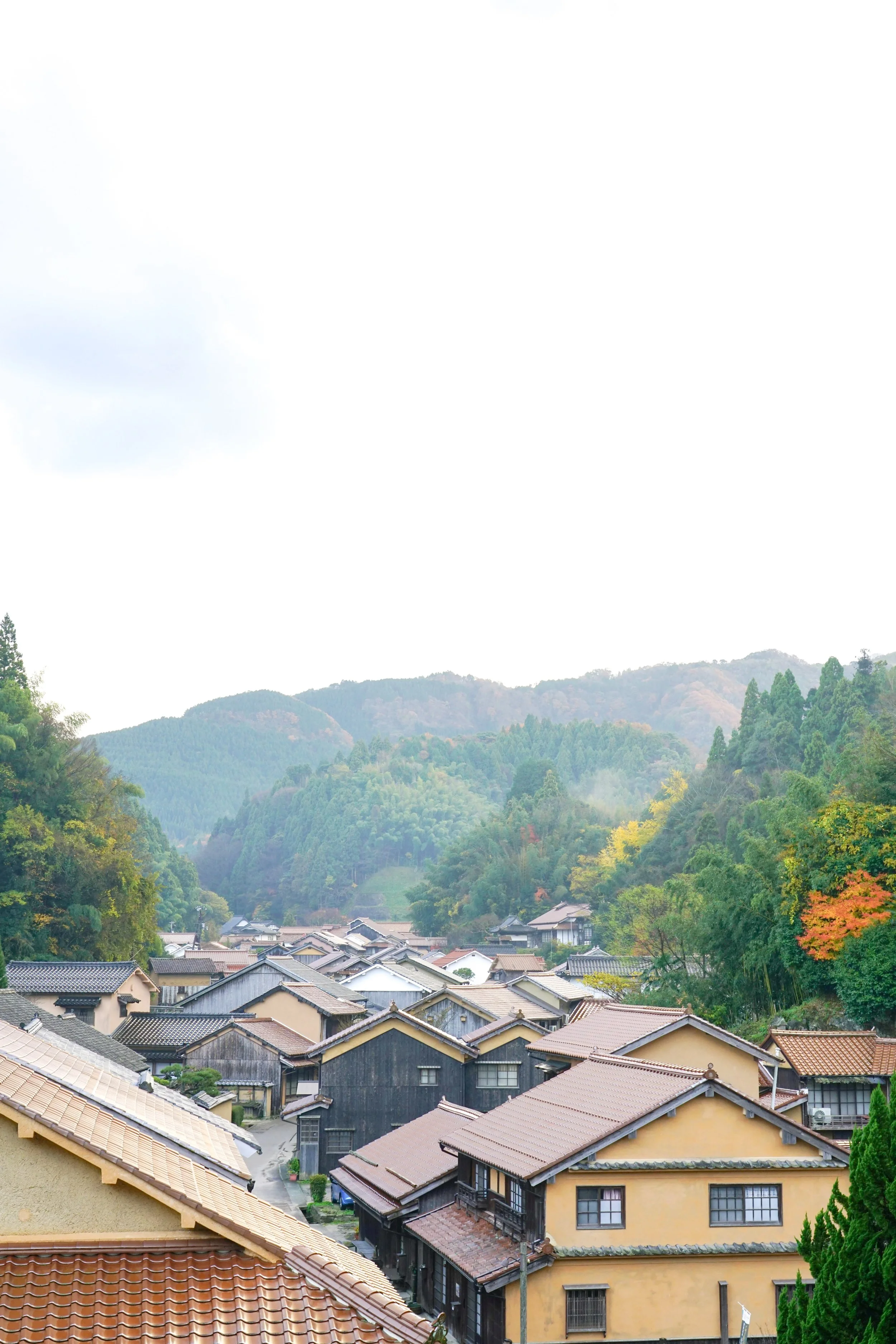
Short Term Excursion in Omori
Participants will stay in one of the many renovated Japanese kominka (traditional townhouses) within the village of Omori. Depending on the timing of the participant's stay, the specific location within the village will differ. These kominka were originally abandoned or vacant houses that were bought and renovated by local companies and associations within Omori.
The accommodation is located within the famous historical townscape of Omori, where residents have maintained a consistent and traditional style of housing for over 40 years. The physical closeness of the houses within the townscape is a defining characteristic of Omori, and participants will feel as though they have joined a close-knit neighborhood during their stay.
Omori is a 20-minute drive from the city of Oda, where participants can find a large grocery store, and a 5-minute drive from the nearest convenience store. While Omori does not have a grocery store, it has a small local shop where participants can purchase basic food items and daily necessities.
There are two types of accommodation available in Omori: a private single house, or a dormitory-style house owned by one of the local companies in the village. Each accommodation is equipped with essential amenities, including a kitchen, bathroom, and toilet.
As Omori is offered as a short-term stay of one week, a dedicated workspace will not be provided. Participants are encouraged to use their time in Omori to seek new inspiration and gain fresh perspectives on the culture and lifestyle of the Iwami Region, which can inform and enrich their ongoing projects.
Experiences in Omori
The excursion in Omori will focus on experiences and finding immaterial resources such as historical information, cultural sites, lifestyle philosophy, etc.
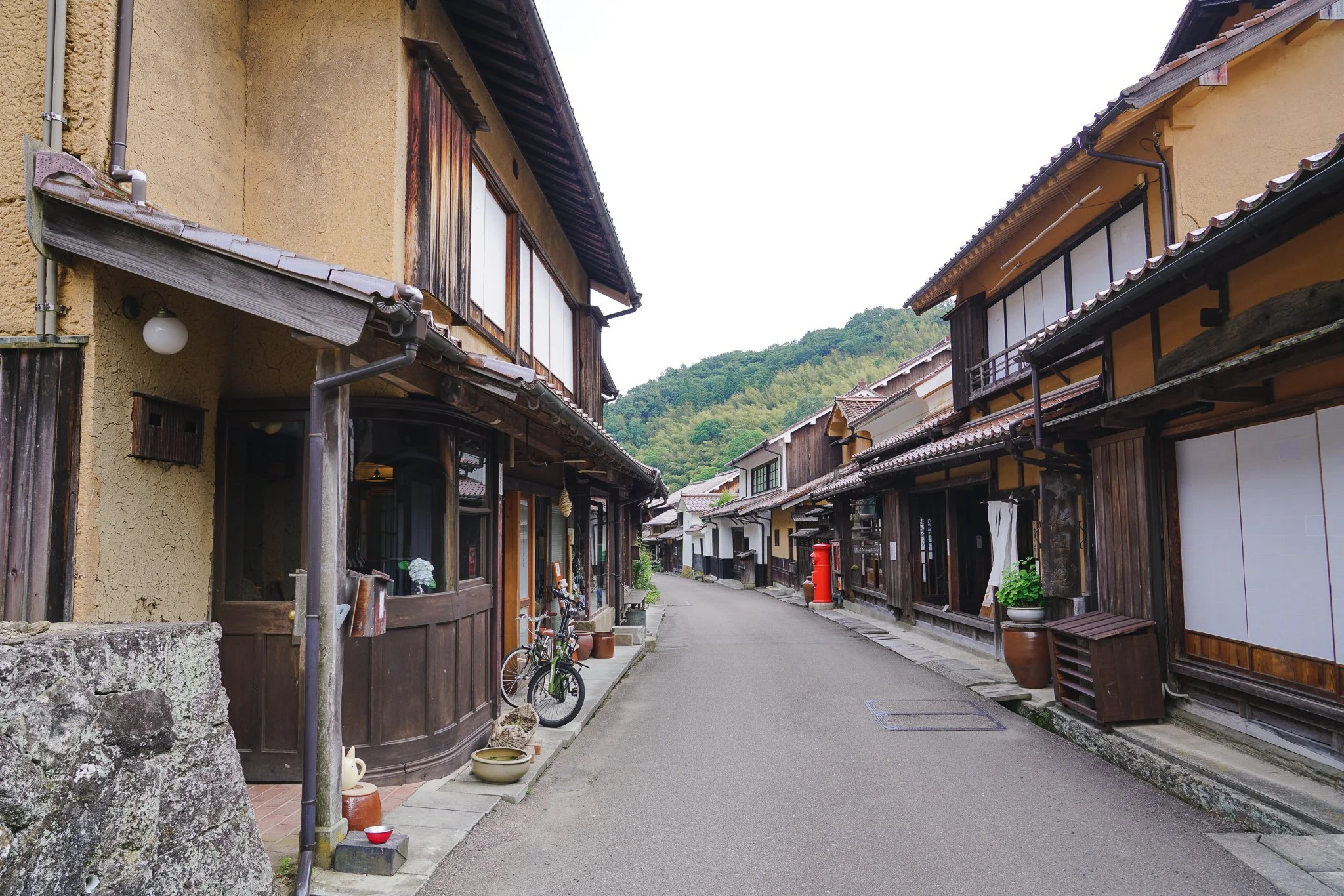
The townscape represents the physical representation of the communal efforts by the people of Omori to protect and pass on their culture and identity. Participants will find creative ways in which the community blends modern living with the traditional exterior of the houses. Walking through the townscape will be almost like a treasure hunt for small ways the townspeople balance self-expression with communal unity.
From the Townscape
Cultural and Historical Facilities
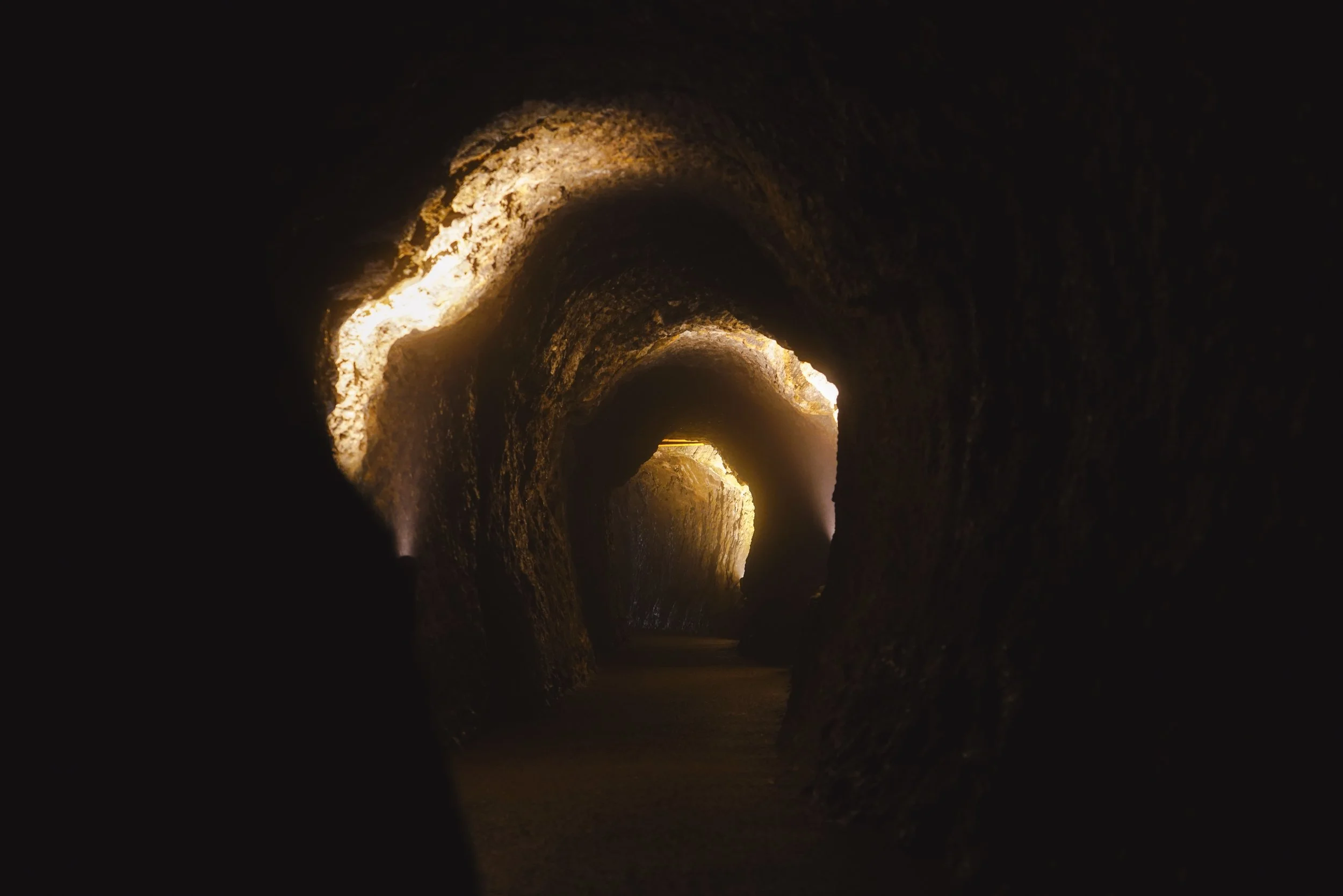
The Ryugenji Mabu Mine Shaft is the most accessible and representative tunnel of the Iwami Ginzan Silver Mine, and the only one open to the public year-round. Excavated in the early 18th century, it stretches deep into the mountain and preserves the original chisel marks left by miners, revealing the physical reality of hand-dug mining. As part of a network of hundreds of shafts that supported one of the world’s largest silver-producing regions, it offers a direct, immersive experience of the labor, technology, and scale behind the silver industry.
Ryugenji Mabu Mine Shaft
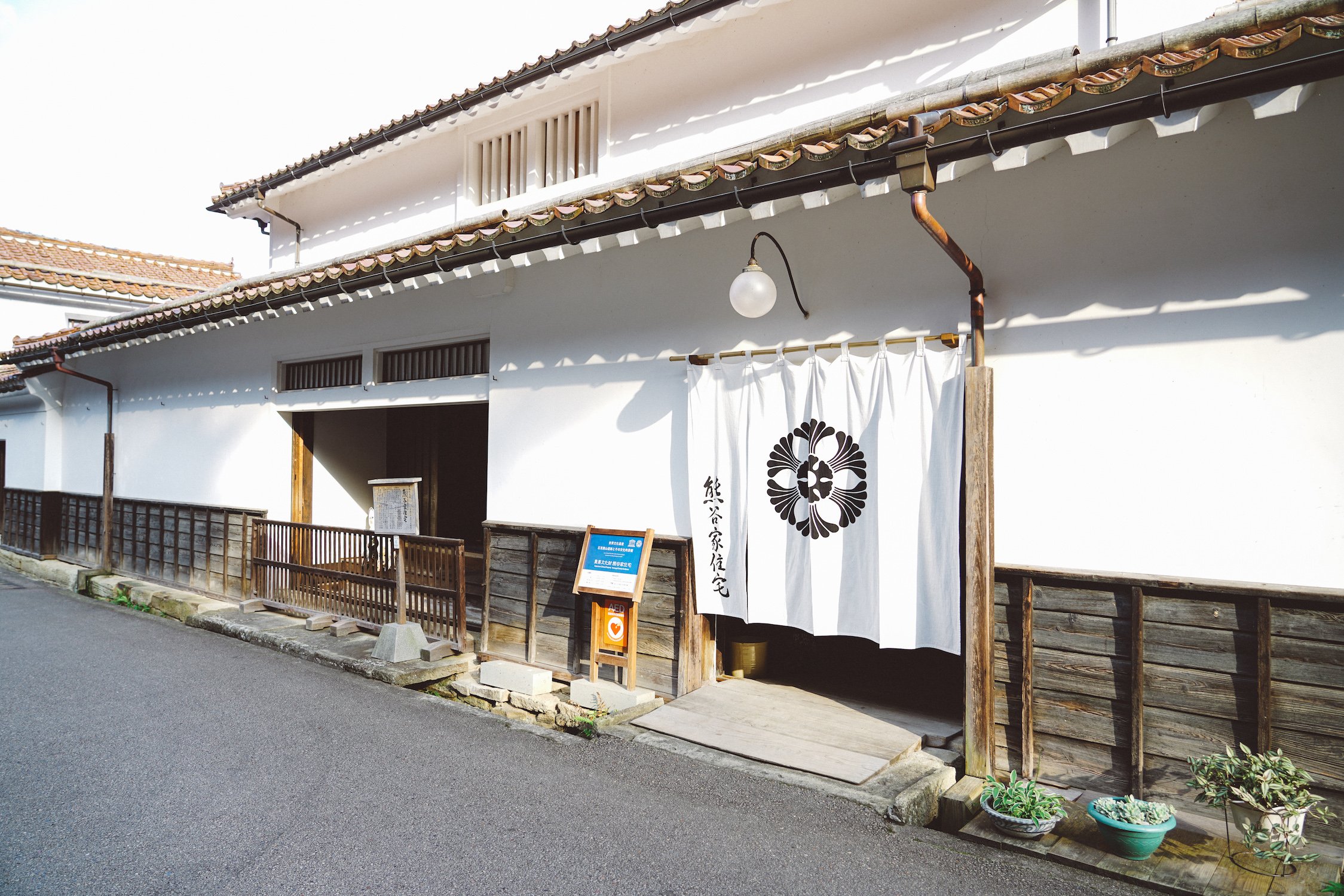
The Kumagai Residence is one of the largest and most important merchant houses from the Edo period in Iwami Ginzan. Built in 1801, it was home to the Kumagai family—wealthy merchants who played a central role in managing the silver economy and supporting local administration. Today, visitors can see the lifestyle of this family through the various furniture, clothing, everyday tools that are displayed in the residence.
Kumagai Residence
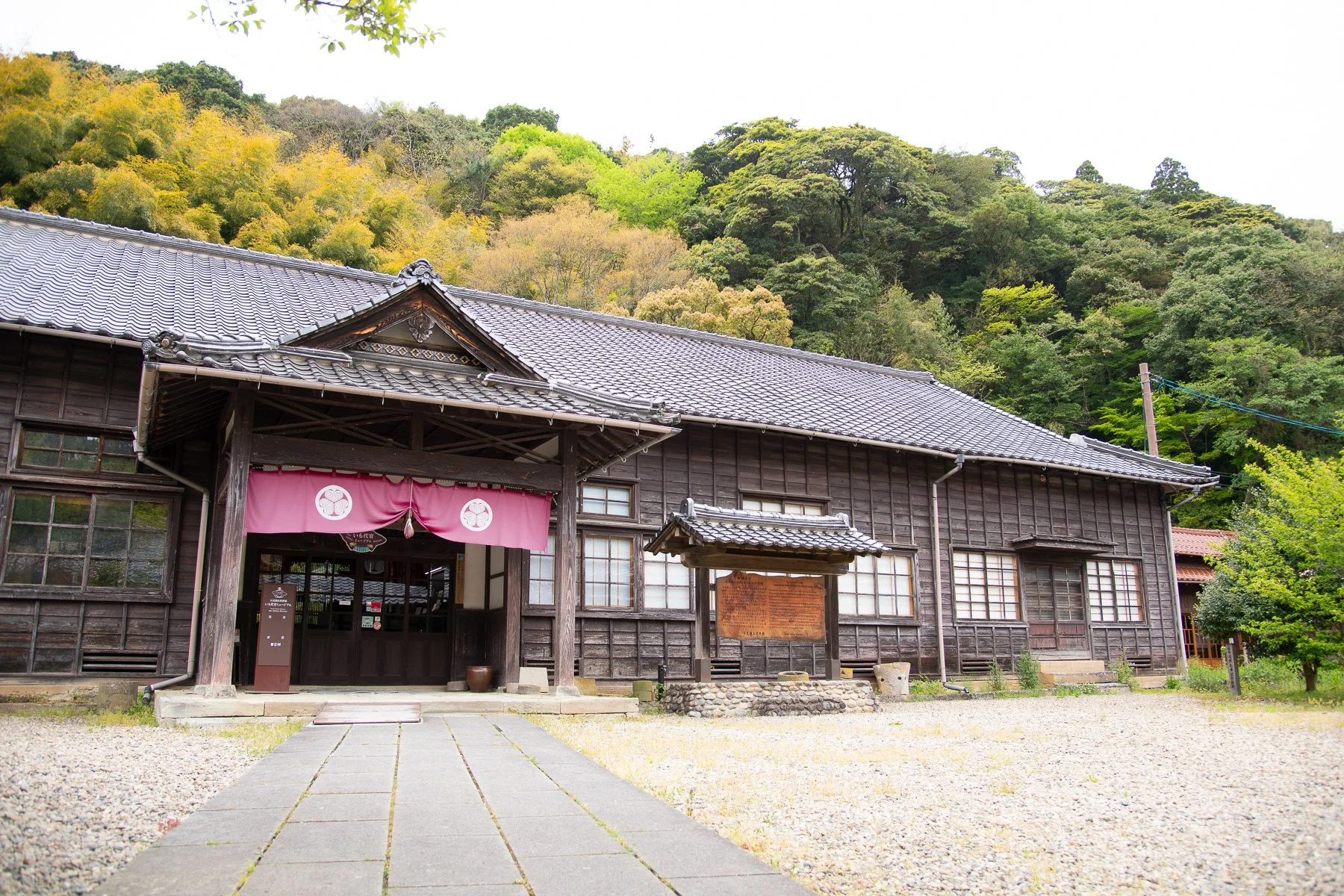
The Imodaikan Museum is a historical museum of Iwami Ginzan, located on the former site of the Edo-period magistrate’s office that governed the silver mine. Inside, the museum brings together original documents, mining tools, and mineral samples that explain how the silver industry functioned and how the town was managed. Named after a magistrate known for promoting sweet potatoes to prevent famine, it connects the economic system of the mine with the everyday lives of the people who depended on it.
Imodaikan Museum
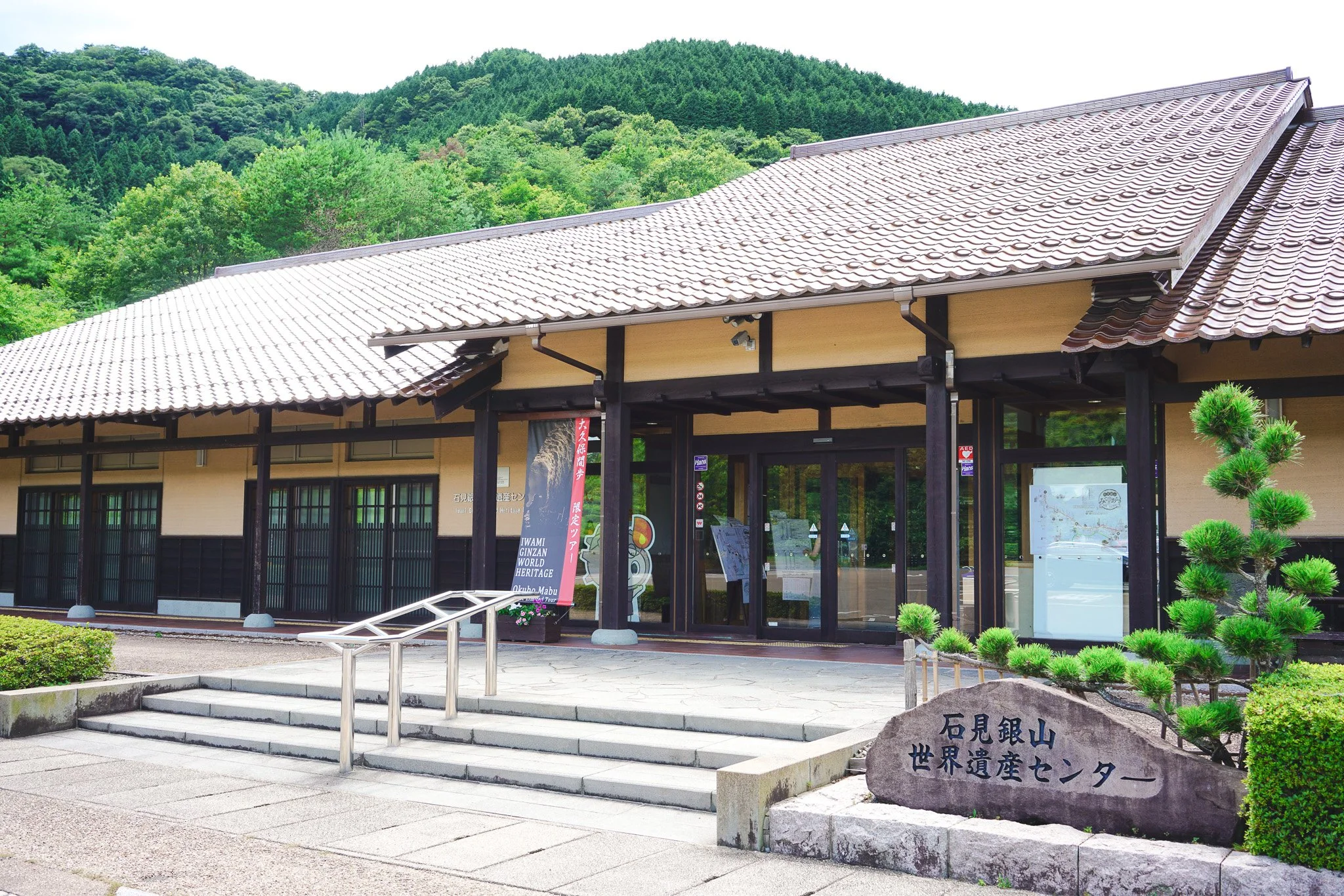
The Iwami Ginzan World Heritage Center serves as the main gateway to understanding the entire World Heritage site. Rather than focusing on a single location, it provides a comprehensive overview of how the silver mine functioned—from extraction to refining and global trade—through models, videos, and reconstructed exhibits. Built as an orientation and learning facility, it helps visitors grasp the scale, structure, and historical significance of the mining region before exploring the site itself.
Iwami Ginzan World Heritage Center
Kominka Renovations and Town Revitalization in Omori
Gungendo Store
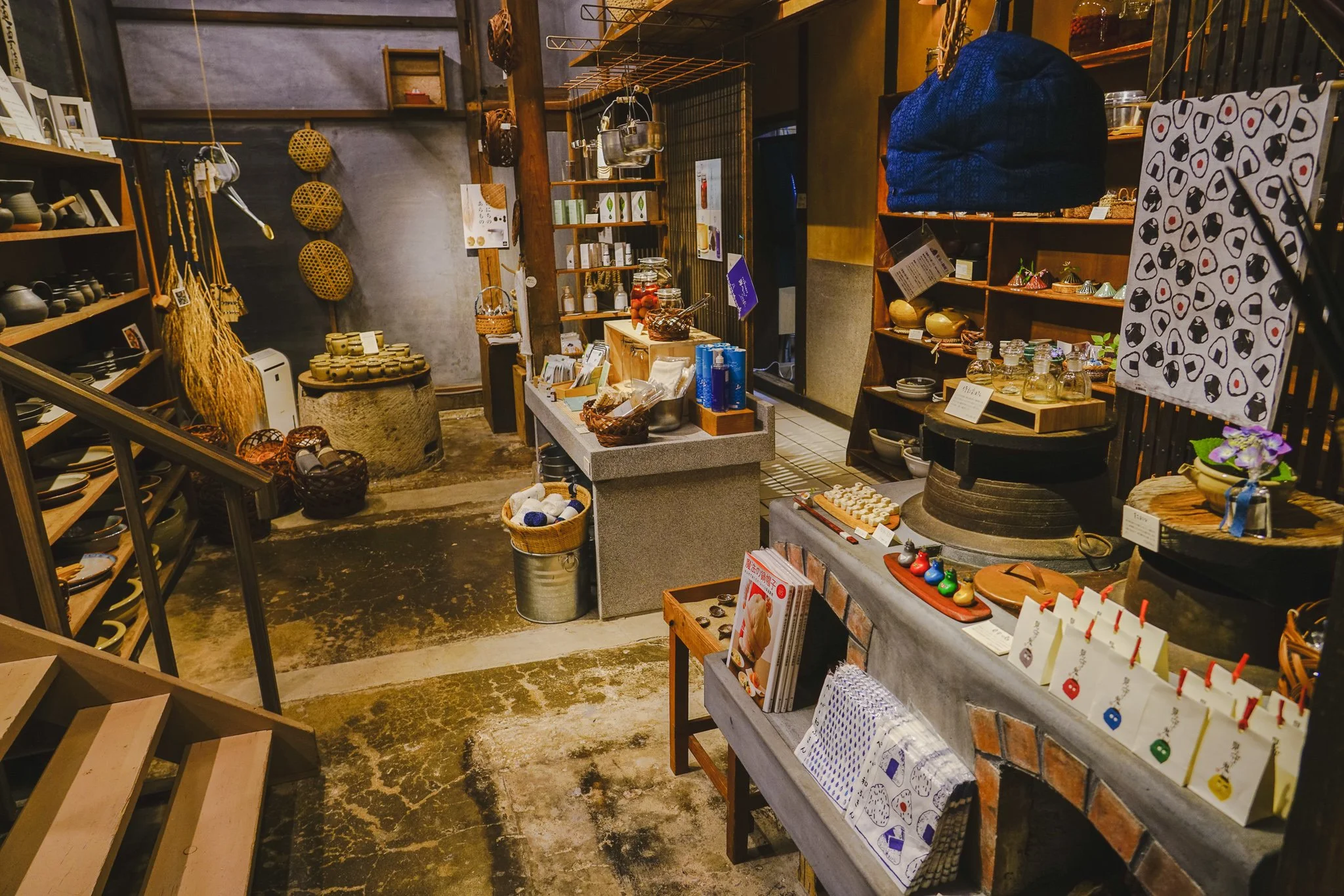
The Gungendo Store is a restored traditional merchant house that has been transformed into a lifestyle shop rooted in the culture of Iwami Ginzan. Operated by a local company founded in Omori, it offers clothing, textiles, and everyday goods made in Japan using natural materials and traditional techniques.
More than a retail space, it reflects a philosophy of sustainable living and craftsmanship connected to the region’s history and community. Set within a 170-year-old building, it represents how the town continues to evolve by reinterpreting its heritage into a modern way of life.
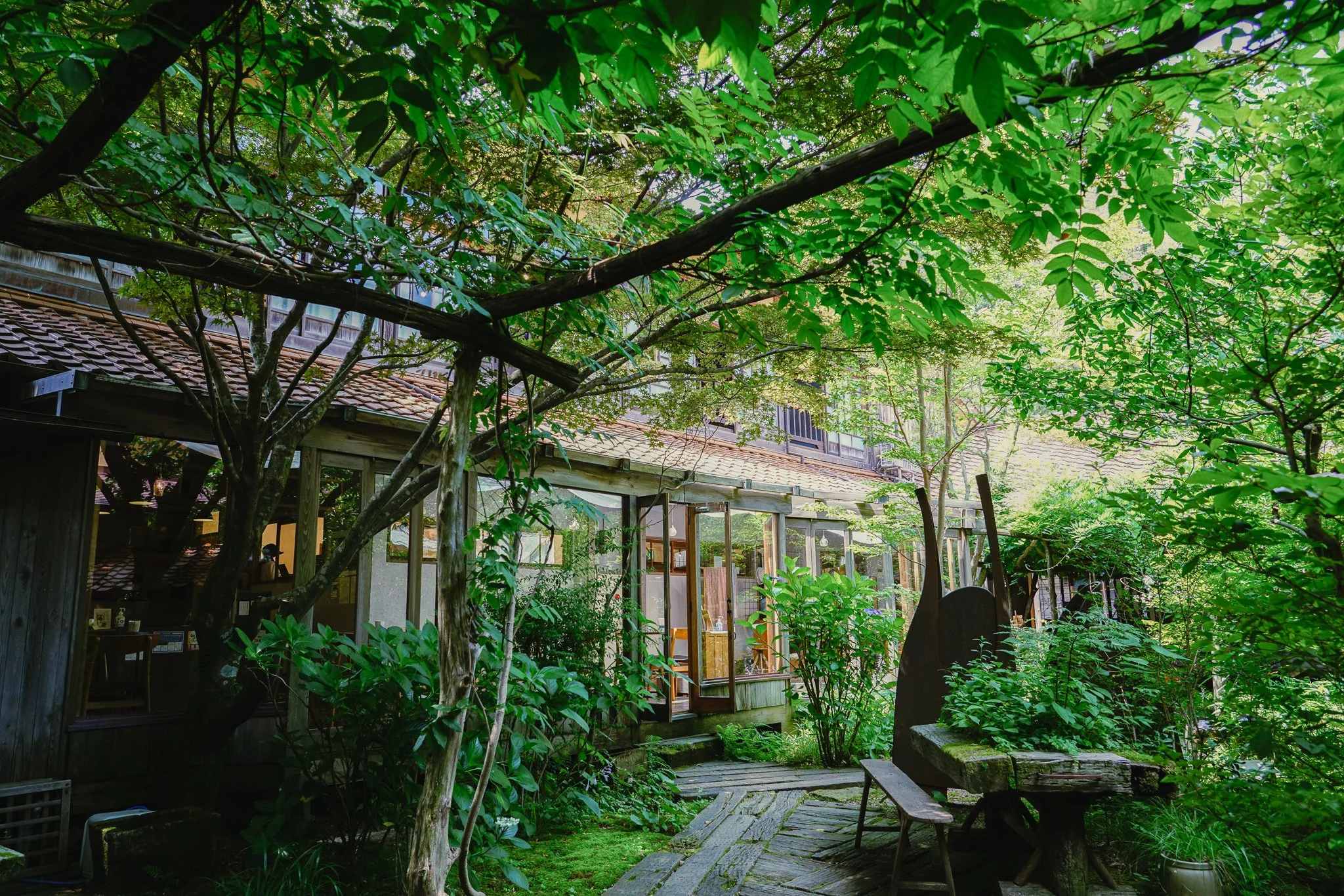
Machi wo Tanoshiku Suru Library
The “Machi wo Tanoshiku Suru Library” is a renovated traditional townhouse transformed into a hybrid space for reading, gathering, and community activity in Omori. Operated in collaboration with a university as a satellite campus, it brings together books, a café, and co-working spaces to connect students, residents, and visitors.
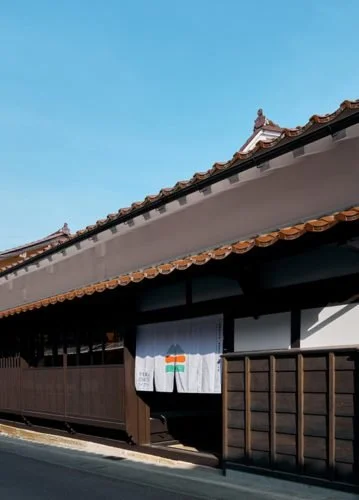
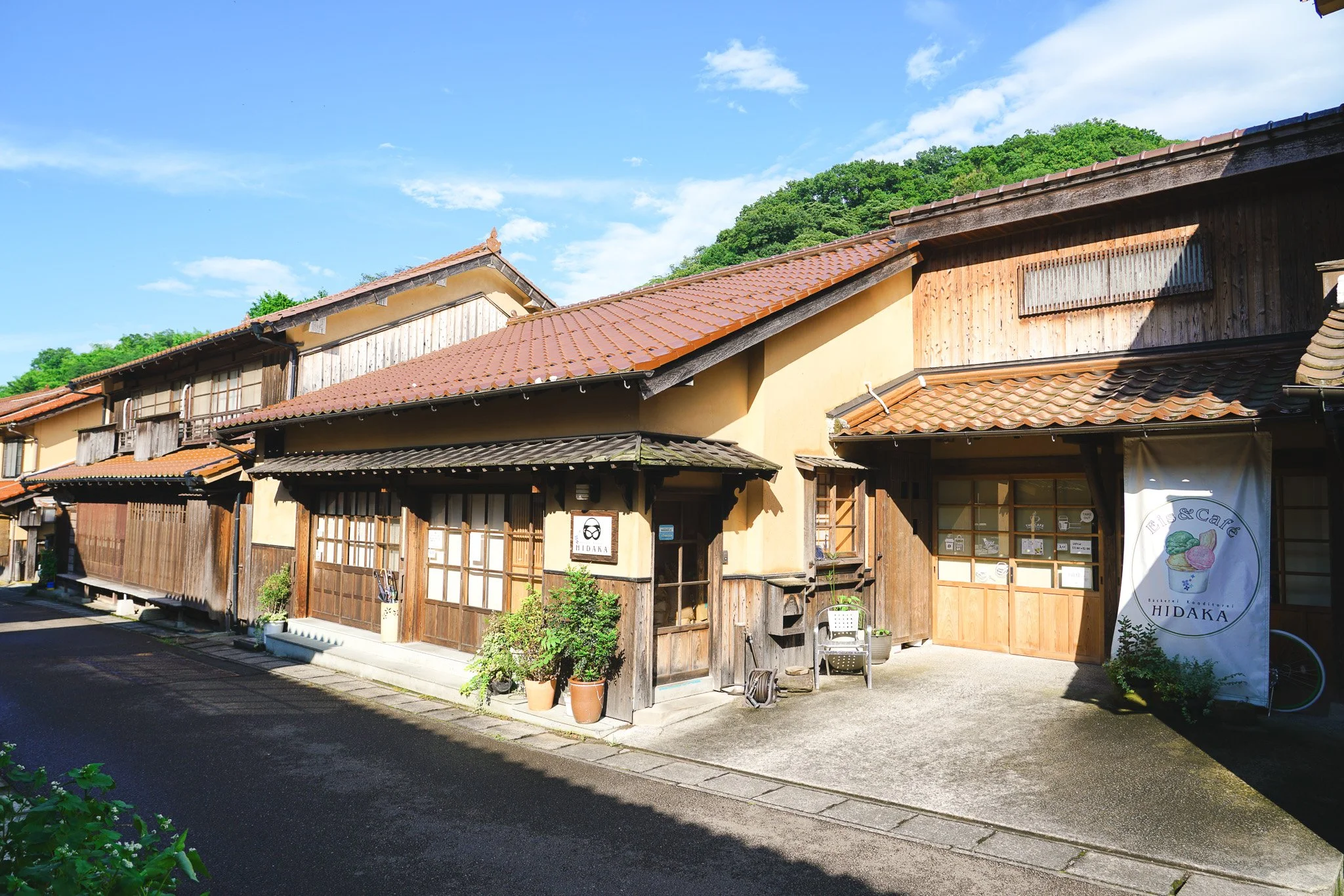
Bäckerei Konditorei Hidaka
The Bäckerei Konditorei Hidakais a German-style bakery set within the historic streetscape of Omori.Founded by a baker trained in Germany and certified as a Meister, it specializes in authentic breads such as pretzels alongside pastries made with local ingredients.More than just a bakery, it represents the town’s ongoing revitalization—where traditional architecture and global craftsmanship intersect. By combining European baking techniques with regional flavors, it reflects how Omori continues to evolve as a living community rather than a preserved historic site.
Optional
Upon request, participants can receive the following support in consultation with a local coordinator.
Cultural Exchange Support
Omori offers an opportunity not just to visit the village, but to feel like you are living in the community.
Coordinators will provide tours of the town and its various facilities, and renovated townhouses. They will also create opportunities for participants to interact with the residents and organize chances to join communal activities as well.
Additional Support
Company Tours
Participants will be able to tour local companies and their facilities
Opportunities to view facilities that are not open to the public
Workshops with Residents
Participants may host workshops that include local residents (children to senior citizens)