Locations
During the residency, participants will live and work in renovated akiya (vacant houses) located in both Yunotsu and Gotsu.
These akiya have been revitalised and now provide accommodation and dedicated creative workspaces for the programme. Each participant will be assigned a living and working space in their respective location, enabling them to develop their practice in close connection with the local environment.
-
Gotsu City is located along the Sea of Japan in the western part of Shimane Prefecture, positioned at the mouth of the Gonokawa River — one of the largest rivers in the Chugoku region. Find out more below.
-
Yunotsu Town is situated in the southwestern part of Oda City (Ōdashi), centrally positioned in Shimane Prefecture along the Sea of Japan. Find out more below.
-
Participants may also choose to spend up to one week in Omori, a historic district in Oda City and part of the UNESCO-listed Iwami Ginzan area.
Gotsu City
Gotsu City is located along the Sea of Japan in the western part of Shimane Prefecture, positioned at the mouth of the Gonokawa River—one of the largest rivers in the Chugoku region. Historically, the city developed as a “river port,” where inland waterways and maritime routes converged.
The Gonokawa River extends approximately 194 kilometres from the Chugoku Mountains to the Sea of Japan. Its lower reaches are characterised by an exceptionally gentle gradient, which enabled river transport from early periods. As a result, Gotsu functioned as a key distribution hub, connecting inland mountainous areas with coastal and international trade routes.
Through this river network, a wide range of regional resources—including timber, iron produced through traditional tatara ironmaking, agricultural products, washi paper, ceramics, and other crafts—were transported to Gotsu and distributed via its port. This dynamic relationship between mountain, river, and sea shaped the city’s economic and cultural development.
Unlike many port towns in Japan that developed primarily around maritime trade, Gotsu is distinctive for its dual role as both a seaport and a river port. This rare geographical condition has given rise to a unique cultural landscape, where natural environments and human activity are closely intertwined.
Today, Gotsu continues to evolve while retaining its regional character. In recent years, the city has promoted new creative initiatives and community-based projects, including efforts to address the increasing number of vacant houses. These conditions provide a context in which new forms of cultural and creative practice can emerge.
Accommodation and Workspace
Kominka: Living and Workspace
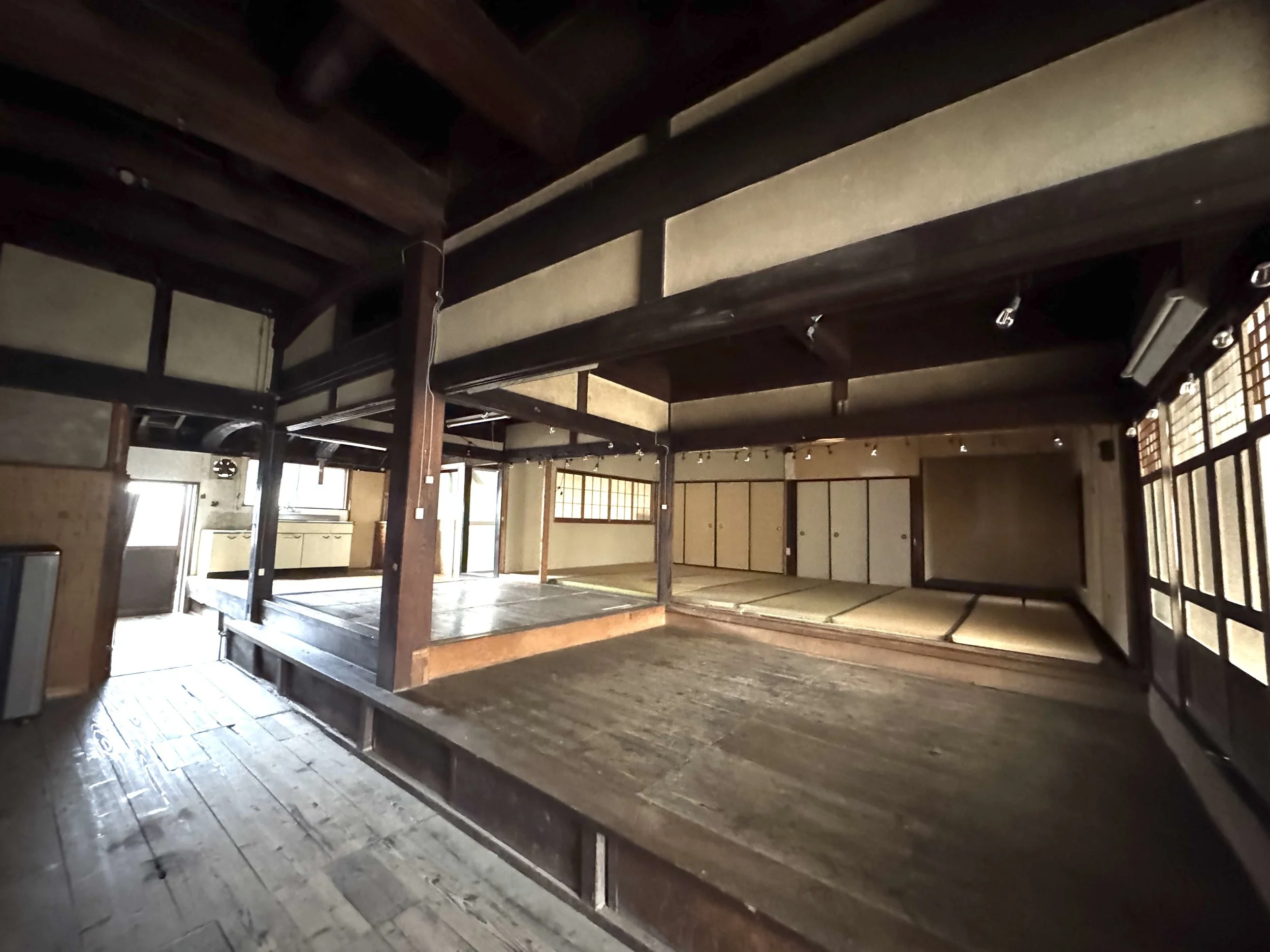
Participants will stay and work in a traditional Japanese kominka (renovated townhouse). Originally a vacant house, the building has been revitalised and now functions as both accommodation and a creative workspace for the residency.
The house is located in the historic centre of one of Gotsu’s oldest districts, within walking distance of cafés, local shops, and the train station, providing a comfortable and accessible living environment.
Participants will share the house with a university student currently residing there, who will support the programme through local coordination and by facilitating connections with the community, its culture, and its people.
The house is equipped with essential amenities, including a shared kitchen, bathroom, toilet, and internet access. Both living and working areas are traditional tatami rooms.
If additional space is required, or if multiple participants are selected, supplementary accommodation or workspace may be arranged in another vacant house. Participants will be informed in advance if this applies.
Resources and Facilities
Materials Available
From Satoyama
Waste materials from ceramic production
Others include: stone and rock (tuff), soil (clay), timber (cedar, cypress, chestnut, and other woods from satoyama landscapes), bamboo, straw, ceramics, and more.
From Akiya
Old household items, traditional tools, and kimono. Discarded materials (wood, glass, soil, bamboo, roof tiles, etc.)
Beach Debris
Large drift materials, known as “continental drift debris” (such as floats and marine plastic)
Smaller drift materials (driftwood, marine plastic, etc.)
Facilities Available at Gotsu
Carpentry Workshop
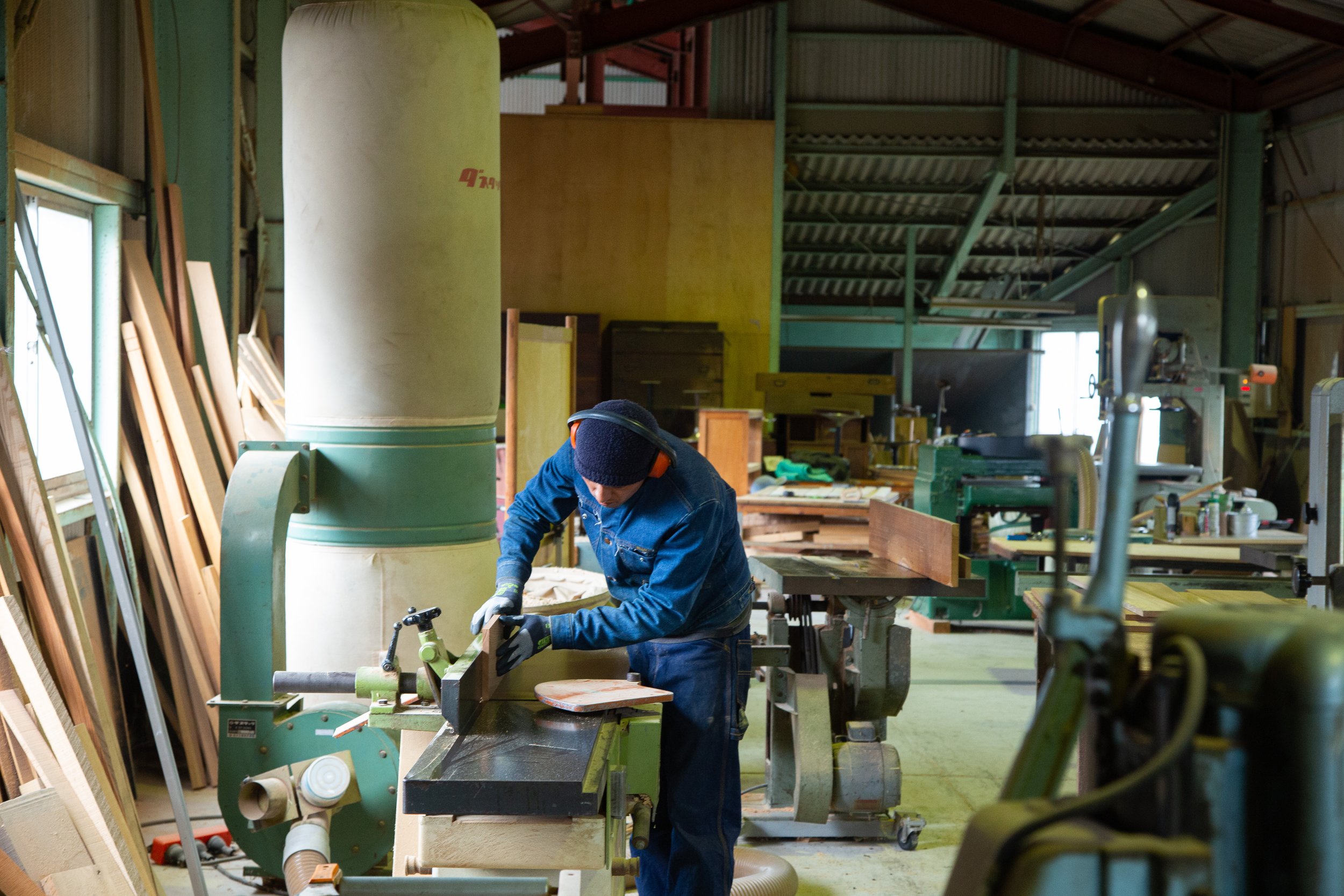
The facility is equipped with the following: sawmill, automatic planer, planer, table saw, chainsaw, general tools, and a range of cutting implements.
Workplace 1
A former sewing factory, now an akiya, characterised by its distinctive exposed beams.
Workplace 2
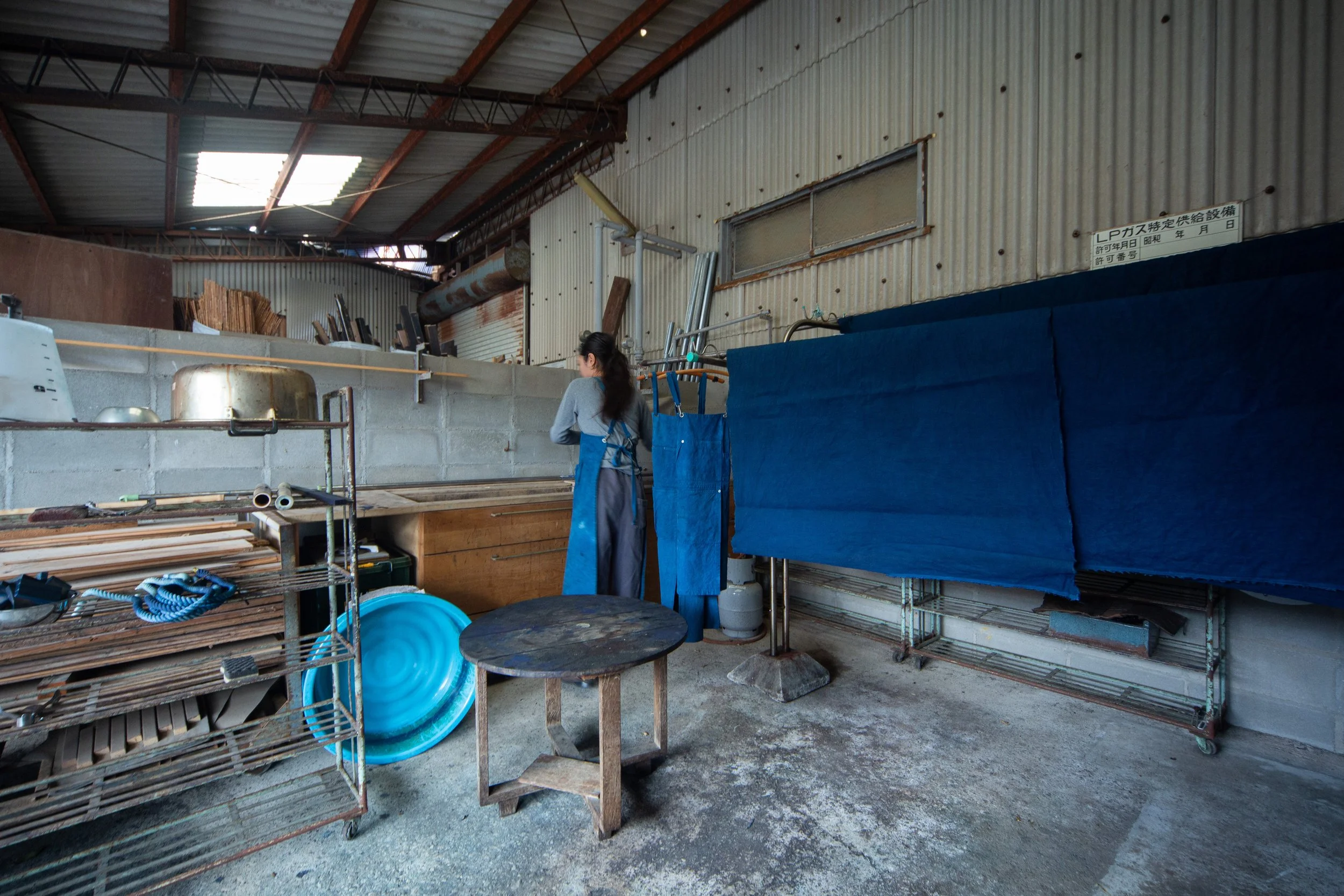
A workspace located within SUKIMONO Co., Ltd. (https://sukimono.co.jp/), where activities such as woodworking, sewing, and dyeing can be carried out.
Workspace 3
A fully equipped workspace with 3D printers, laser cutters, and Wi-Fi: Tsunozu Base
Possibilities at Gotsu
Circular Craft Making in Satoyama
Examples include:
Camping
Cooking over an open fire or irori (traditional hearth)
Forest and land maintenance (managing wind and water flow)
Wood processing (logging, transport, milling, and shaping)
Bamboo harvesting and processing
Building earthen walls using soil, straw, and bamboo
Charcoal making
Relaxing Leisure Activities
Examples include:
Bathing and activities at Arifuku Onsen, a hot spring with over 1,300 years of history
Enjoying local specialties such as soba and mackerel sushi at a morning market
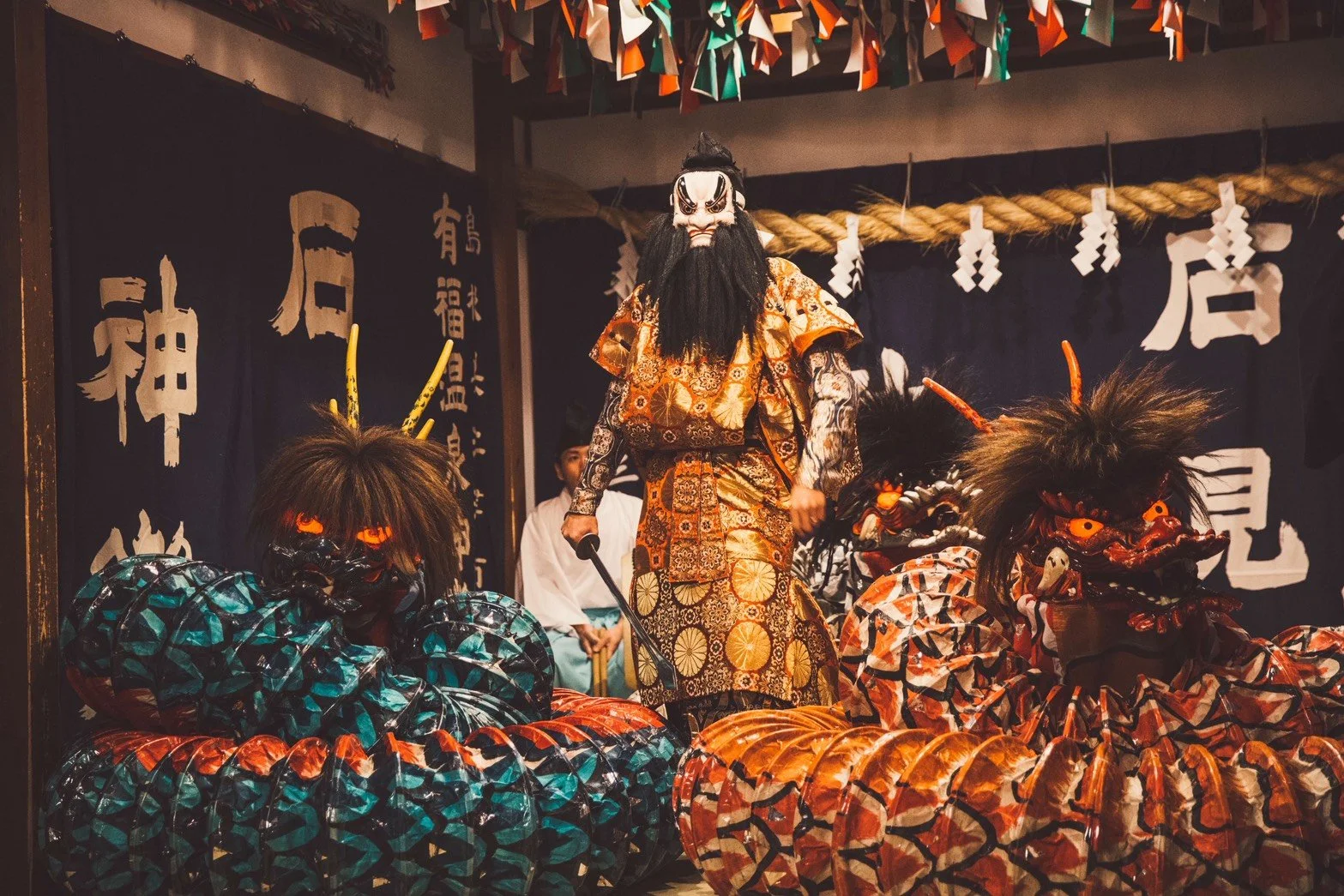
Watching Iwami Kagura, a traditional performing art based on Japanese mythology, typically held on weekends
Experience the changing seasons in their entirety, reconnecting with nature and restoring a sense of inner balance.
Participate in wild plant ikebana (flower arrangement).
Enjoy a walk through the satoyama landscape around Arifuku Onsen, taking time to reflect and reconnect with your inner senses.
Take part in preparing a lunch using seasonal wild plants and donabe (traditional clay pot) cooking.
Others include:
Surfing and stand-up paddleboarding (SUP) in the Sea of Japan
Enjoying sunset views along quiet, uncrowded beaches
Sustainable Tool Making in GOTSU
Example:
Restoration of traditional tools
Optional
Upon request, participants can receive the following support in consultation with a local coordinator.
Cultural Exchange Support
Gotsu offers a rich combination of food culture, nature, cultural heritage, history, and a growing community of artists and creators, along with diverse experiential opportunities.
In particular, its renowned ceramic tradition is deeply rooted in the geological formation of the land itself.
The source of Tsunozu clay lies in a geological formation known as the “Tsunozu Formation.”
Formed approximately 3.5 to 2.5 million years ago, this layer was created in a brackish environment where freshwater and seawater mixed near a river mouth. Through this sedimentation process, exceptionally high-quality clay suitable for ceramics was formed.
This unique geological condition enabled the ceramic industry in Tsunozu and the wider Gotsu area to develop significantly.
Experience traditional Iwami-yaki ceramics with local artisans.
Opportunities to experience the work of local fisheries and other marine industries can also be arranged upon request.
Additional Support
The following experiences can be arranged according to participants’ interests.
Traditional Carpentry Culture (Daiku Bunka)
Examples include:
Architectural woodworking
Traditional joinery techniques
Kumiko (intricate wooden latticework) craftsmanship
Plasterwork (Sakan)
Kote-e (relief plaster decoration by traditional Iwami sakan artisans)
Iwami sakan (traditional plastering) is a craft that is currently facing a decline in successors, offering opportunities for research and reinterpretation of this regional technique.
Roof Tile Craft (Sekishu Kawara Industry)
Participants can explore the history and current practices of Sekishu roof tiles.
Through local collaborators, there may also be opportunities to access unused industrial facilities and materials.
Others supports:
Washi paper making at a Sekishu washi workshop
Visit to a shifu (woven paper textile) studio
Ceramic workshops at local studios
Visit and hands-on experience at an Iwami Kagura mask workshop
Visit to a local sake brewery
Visit to a fermentation workshop
Yunotsu Town
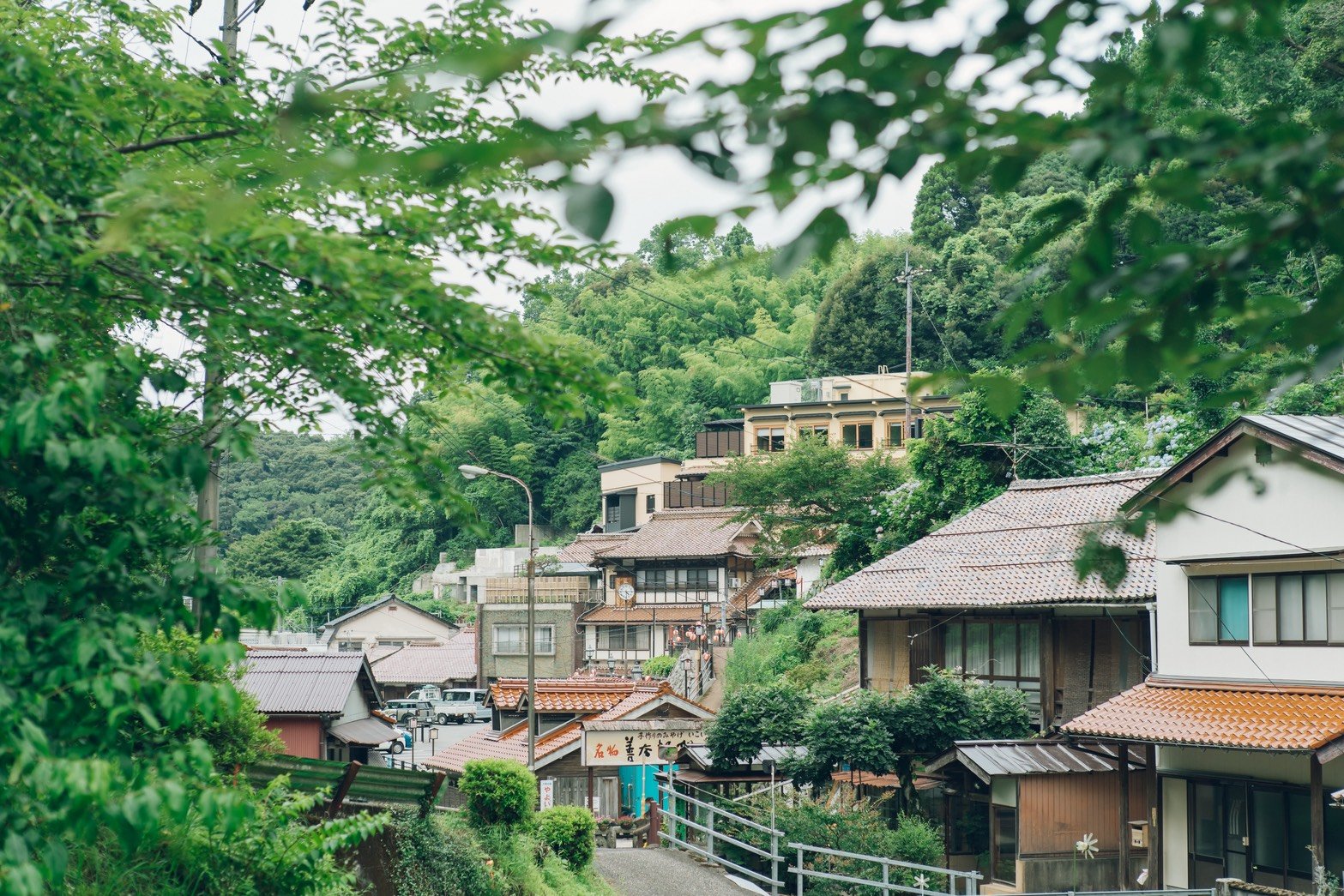
Yunotsu Town is situated in the southwestern part of Oda City (Ōdashi), centrally positioned in Shimane Prefecture along the Sea of Japan. Accessible via the JR Sanin Main Line and National Route 9, the town features a coastline dotted with natural harbours, including the historically prosperous Yunotsu Port. During the Edo period, the port flourished as a shipping hub for the nearby Iwami Ginzan Silver Mine and later served as a port on the San'in sea route, exporting timber, bamboo, and Iwami pottery during the Meiji period.
Today, Yunotsu remains an active fishing port and a shipping centre for locally produced silica sand. The region is predominantly mountainous, with approximately 80% covered in forests. Agriculture and forestry are the primary industries, complemented by coastal fishing activities such as single-line fishing.
Hōjusan Anrakuji Temple in Yunotsu is both the birthplace and monumental site of Asahara Saichi (Myokōjin), a religious poet and philosopher acclaimed by Suzuki Daisetsu. The town’s architectural landscape spans the Edo, Meiji, Taisho, and Showa periods, characterised by distinctive red Iwami ceramic tiles. Yunotsu is the only hot spring town in Japan classified as an Important Preservation District for Groups of Traditional Buildings.
Accommodation and Workspace
Akiya: Living and Workspace
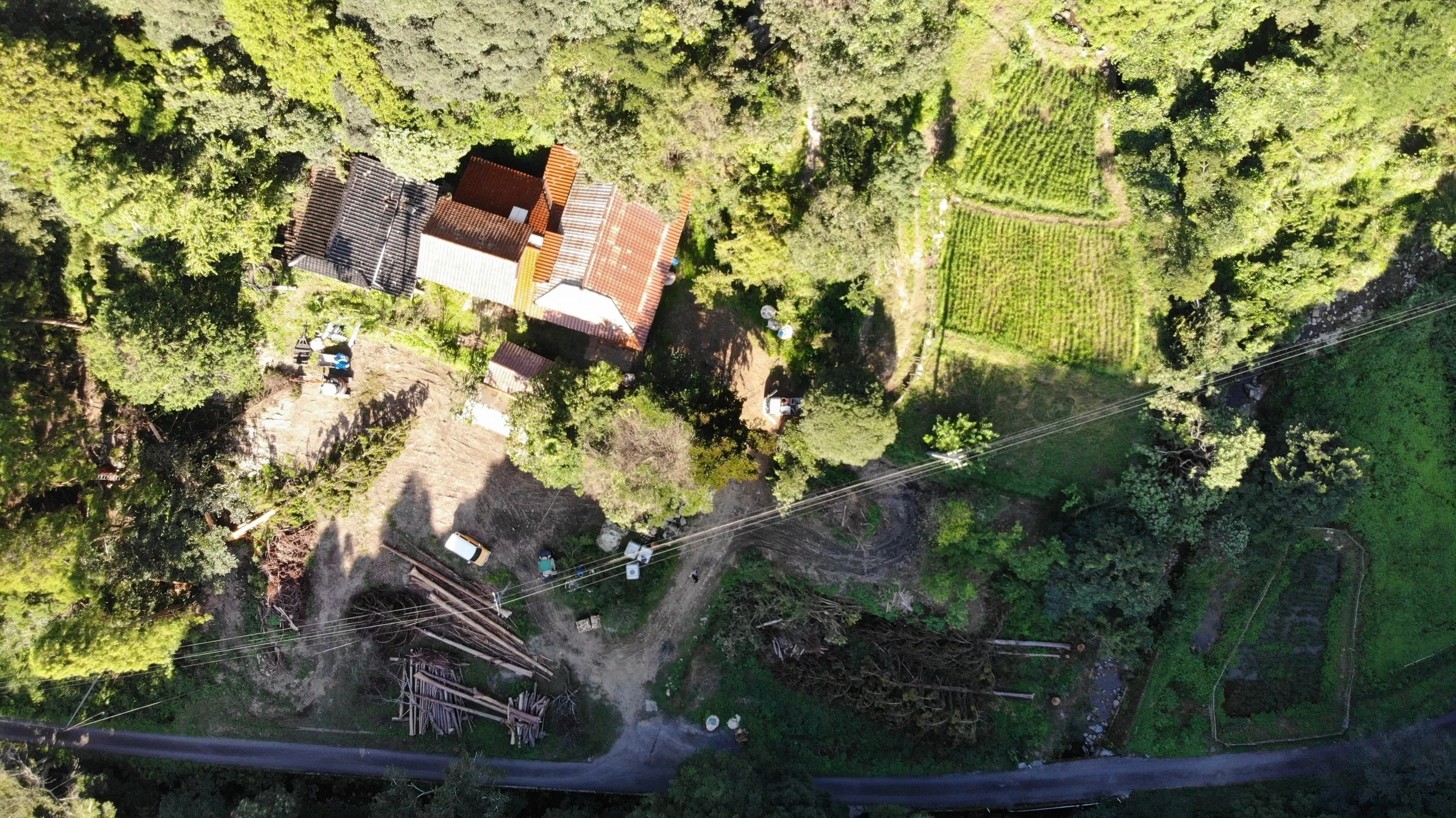
Participants will stay and work in a traditional Japanese-style house owned by Shinya Kobayashi, co-founder of the AKIYA AIR programme. Formerly a vacant akiya, the house has been carefully revitalised and now serves as both accommodation and a creative workspace for the residency.
Located approximately five minutes by car from the centre of Yunotsu, the house is surrounded by mountains, fields, and abundant nature, offering a quiet and immersive environment for focused work and reflection.
The house is equipped with essential amenities, including a shared kitchen, bath, toilet, and internet access. Both living and working areas consist of traditional tatami-mat rooms. Depending on the nature of their project, participants may also have access to Kobayashi’s woodworking studio in the mountains.
If additional space is required, or if multiple participants are selected, supplementary accommodation or workspace may be arranged in nearby vacant houses. Participants will be informed in advance if this applies.

Resources and Facilities
Materials Available
From Satoyama
Rocks, stones, soil, wood, bamboo, straw, iron (steel), and more.
From Akiya
Old household items and discarded materials.
Beach Debris
From large debris, referred to as ‘continental debris’ to smaller items.
Facilities Available at Yunotsu
Heavy Machinery
Excavators, forklifts, crane trucks, transport vehicles, light trucks, chain blocks, etc.
Blacksmith’s Workshop
Equipped with furnace, spring hammer, press, and hardening furnace.
Carpentry Workshop
Equipped with sawing machines, automatic planer, planer, table saw, drying machine, chainsaw, general tools, and blades.
Workplace 1
100 square meters of concrete floor adjacent to the blacksmith forge.
Workplace 2
Several rooms with tatami flooring in an old farmhouse.
Workspace 3
Abandoned farmland and mountain forest covering 170,000 square metres on-site.
Possibilities at MUJUN Workshop Yunotsu
Circular Craft Making in Satoyama
E.g.
Camping
Bonfires and hearth cooking
Mountain maintenance
(wind and water flow management)
Timber processing (felling, transport, sawing, processing)
Bamboo cutting and processing.
Construction of mud walls using soil, straw, and bamboo
Charcoal production
Sustainable Tool Making in Satoyama
E.g.
Collecting sand iron from beaches and rivers
Steelmaking from charcoal burning to steelmaking at the blacksmith’s workshop
Crafting tools and blades at the blacksmith’s workshop
Reprocessing old iron at the blacksmith’s workshop
Restoration of old tools
Relaxing Leisure Activities
E.g.
Hot springs, Kagura (traditional Shinto music and dance), and drinking sake.
Karaoke at Kirakuya or Tokitsufu
Zazen and shojin ryori (Buddhist vegetarian cuisine) at a temple
Fasting and relaxation massages
Surfing in the Sea of Japan
Hiking on Mount Sanbe, followed by hot springs and Jingisukan (grilled lamb dish).
Fishing and snorkelling along sandy beaches
Various cafes and restaurants.
Watching the sunset on secluded beaches
Optional
Upon request and consultation with the local coordinator, residents can access the following services:
Cultural Exchange Support
GotsExplore Yunotsu's rich food, nature, culture, and history, including its renowned ceramic tradition. With this support, participants will have the chance to engage in local activities, such as flower arranging and martial arts classes.
Additional Support
Tailored experiences such as:
Traditional Carpentry Culture (Daiku Bunka): Including architectural woodworking, traditional joinery, and shrine/temple construction techniques.
Plasterwork (Sakan): Focusing especially on historical kote-e (relief plaster art), with opportunities to investigate and reinterpret this fading local tradition.
Roof Tile Craft (Sekishu Kawara Industry): Research into the legacy and current practices of Sekishu-gawara, with potential access to disused industrial spaces and materials through local collaborators.
Washi making at Ishikawa Washi Workshop.
Tour of the Paper Cloth Workshop
Visit to Iwami Ginzan Tile Workshop
Pottery Studio Workshop
Tour and hands-on experience at the Iwami Kagura Mask Workshop
Visit to Hirata Family Residence, including a tour of the Tatara furnace, local history, valuable housing, and natural farming
Rental car service
Tour of local sake brewery
Visit to local fermentation workshop